What Actually Affects Insulin Sensitivity, Beyond Any Single Supplement
Sleep quality, physical activity, body composition and diet quality all measurably affect insulin sensitivity — often more than any single supplement can.
Understanding the fuller picture helps set realistic expectations for what nutritional support can and cannot do on its own.
Physical activity, especially resistance training
Muscle is a major site of glucose uptake, and regular resistance training specifically is associated with meaningful improvements in insulin sensitivity, sometimes rivaling the effect size seen in medication studies for mild cases.
Sleep quality and duration
Even a few nights of restricted or poor-quality sleep measurably reduces insulin sensitivity in controlled studies, independent of diet or exercise changes. This is a genuinely underappreciated lever.
Body composition
Excess visceral fat, in particular, is strongly associated with reduced insulin sensitivity. Modest reductions in visceral fat are associated with measurable improvements in insulin-related markers, even before major weight loss milestones.
Diet quality and meal timing
Diets higher in fiber and lower in refined carbohydrates are associated with better insulin sensitivity over time. Meal timing and consistency also play a measurable, if smaller, role.
Chronic stress
Sustained high cortisol from chronic stress is associated with reduced insulin sensitivity, an often-overlooked factor alongside diet and exercise.
Where nutritional support realistically fits
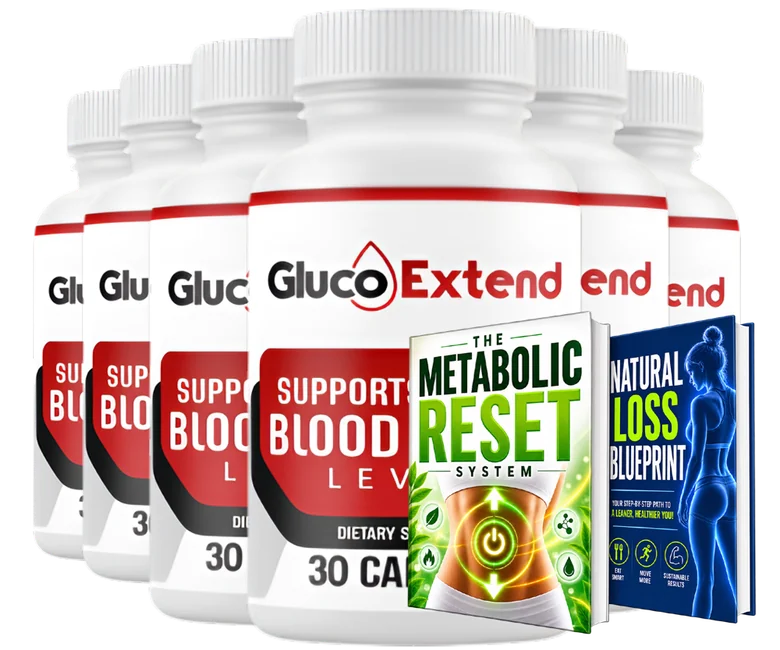
Applying this to Gluco Extend
Formulas like Gluco Extend are designed to supply nutrients relevant to insulin-related pathways, genuinely useful additions layered on top of the habits above, not a shortcut around them. If exercise, sleep or body composition are the actual bottleneck, no supplement, this one included, will fully offset that on its own.